Humanity had already spent thousands of years cooking slowly and gently, learning to tame fire almost by intuition. Looking back, what we now call low-temperature cooking is the logical continuation of a long history of pots left beside the embers, ovens covered with earth, and stews that murmured through the night in the kitchen.
Imagine the first communities beginning to bury their food next to the coals. In the Americas, from Tierra del Fuego to Alaska, Indigenous peoples used earth ovens: a pit, stones heated until glowing, layers of leaves, meat, fish, and vegetables, and then soil on top again. Hours later, when unearthing it, the food appeared tender, juicy, infused with smoke and steam. Curanto in Chile, píib among the Maya in Yucatán, and pit barbacoa in Mesoamerica all work the same way: with indirect, encapsulated, moderate heat that remains stable for many hours.
Without thermometers or charts, these cultures already understood the essential point: if you lower the intensity of heat and lengthen the time, tough fibers turn silky and flavors concentrate.
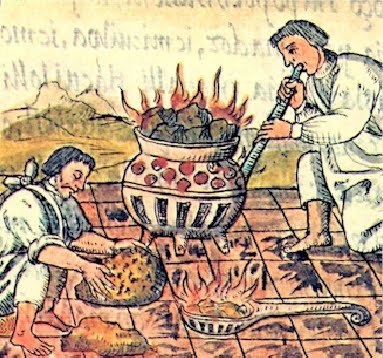
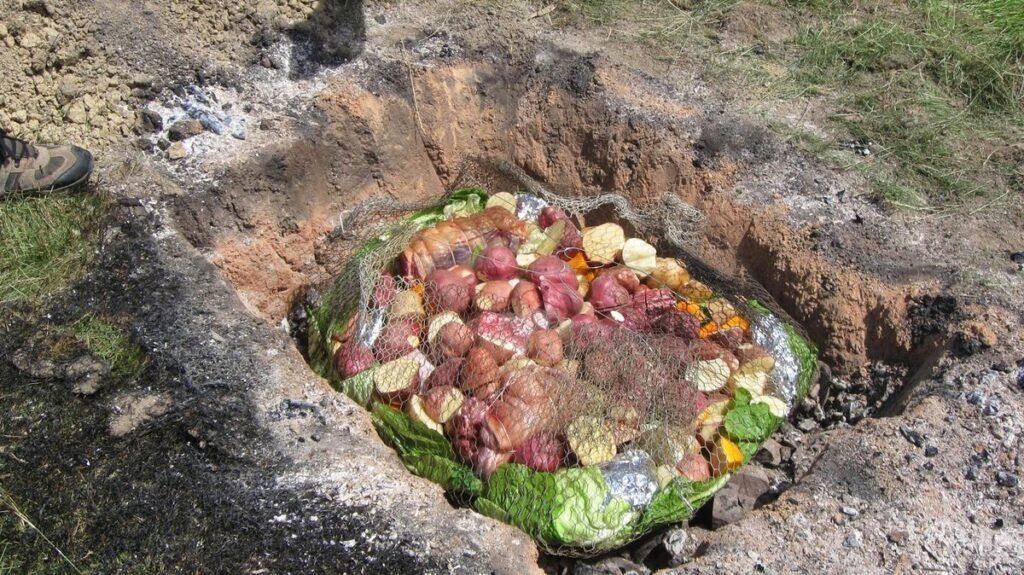
As more permanent structures appeared, those earth ovens evolved into clay and stone ovens. In many rural kitchens—from the Mediterranean to Central Asia—the bread oven heated once a day set the rhythm: first baking with high heat, and afterward, with the gentle residual warmth, casseroles of legumes, stews, or cuts of meat were left to cook for hours without ever boiling violently. This “making use of the heat that’s left” is, at its core, a primitive yet effective form of temperature control.
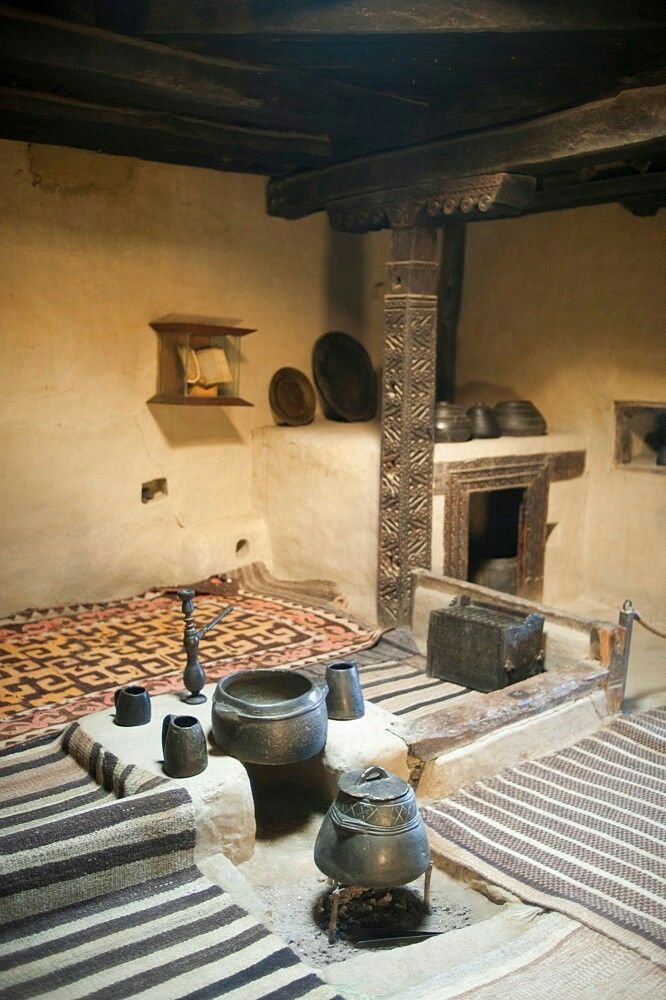
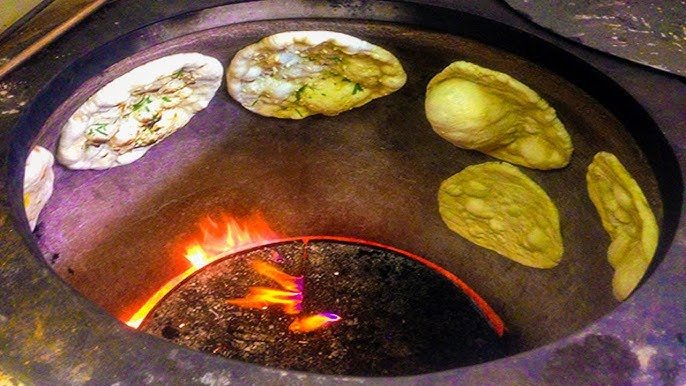
In Europe, big stews and hearty pots were a school of patience. The olla podrida of Castile, precursor to many modern stews, is a good example: a pot filled with legumes, vegetables, and an assortment of meats and bones simmered at very low heat for several hours, skimming the broth from time to time. Technically, what happens inside that pot is very similar to what we aim for today with low-temperature techniques: the liquid barely simmers, the internal temperature of the meat hovers around 90–95 °C at most, and the collagen in the connective tissue begins to transform into gelatin at roughly 60–70 °C when held long enough.
The result is that buttery texture of perfectly cooked chickpeas and meats that fall apart under a fork.
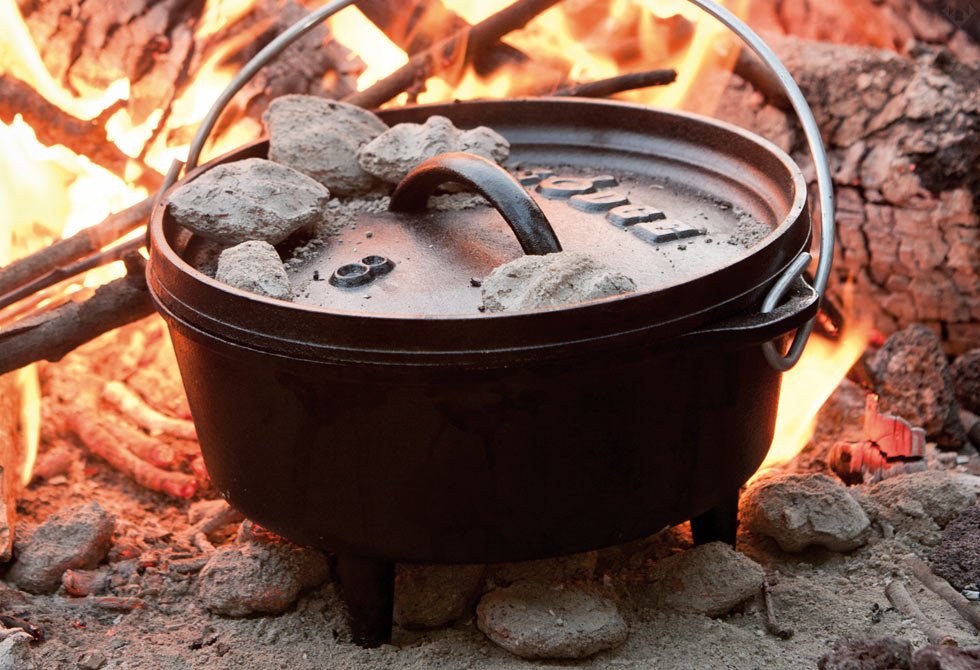
A similar idea shaped Jewish Sabbath stews like cholent or hamin, cooked very slowly from the day before to respect the prohibition of lighting fire on Saturday. They were left in the baker’s oven or on a gentle, stable heat source, often overnight. Centuries later, that same logic would inspire the development of the slow cooker in the 20th century: a device designed to maintain a relatively low and constant temperature for many hours. Technology changes, but the idea remains the same: letting time become another ingredient.
In France, another key branch of this lineage is confit. Duck or goose is cooked submerged in its own fat for hours at moderate temperatures until the meat becomes extremely tender and juicy. Traditionally, the cooked piece would then be stored in that solidified fat throughout the winter. From a technical standpoint, confit operates below the boiling point of water, limits evaporation, and shields proteins from thermal shock, extending cooking time but yielding improvements in texture and preservation.
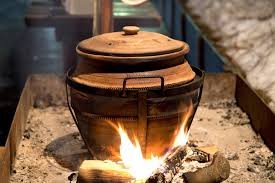
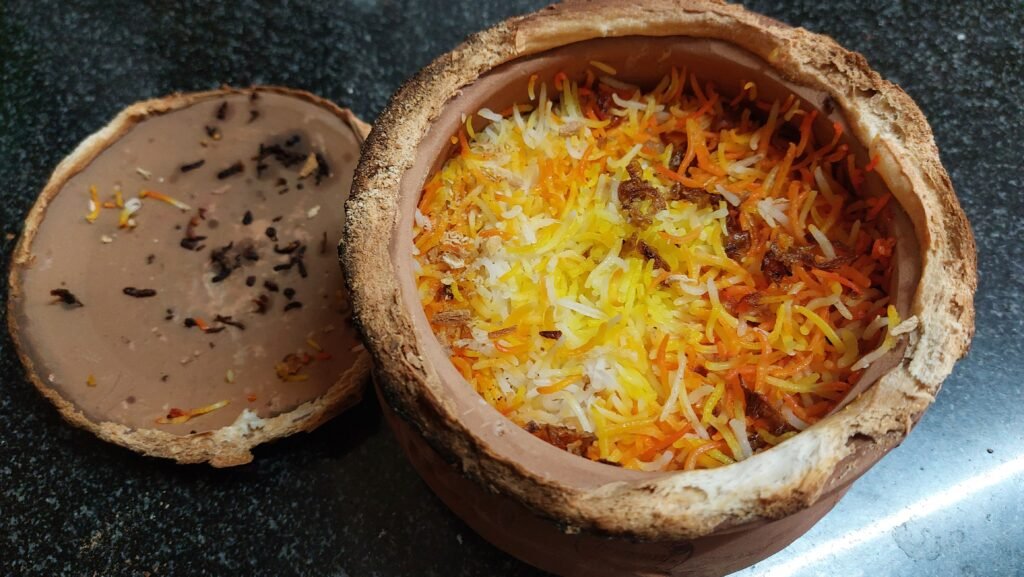
Meanwhile, many other cuisines developed similar techniques: oven-braised dishes in lidded pots, clay-pot cooking, Chinese red-braising that keeps heat barely above a whisper for hours, or curries left on the lowest flame until the sauce thickens and fibers relax. All of these are variations on the same idea: controlling the energy given to the food rather than simply “putting it over the fire.”
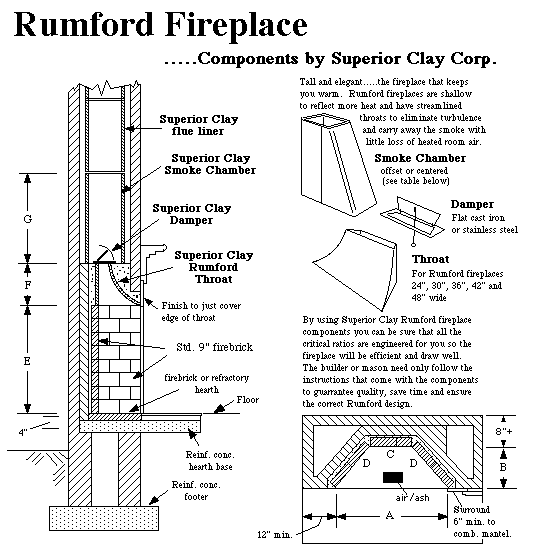
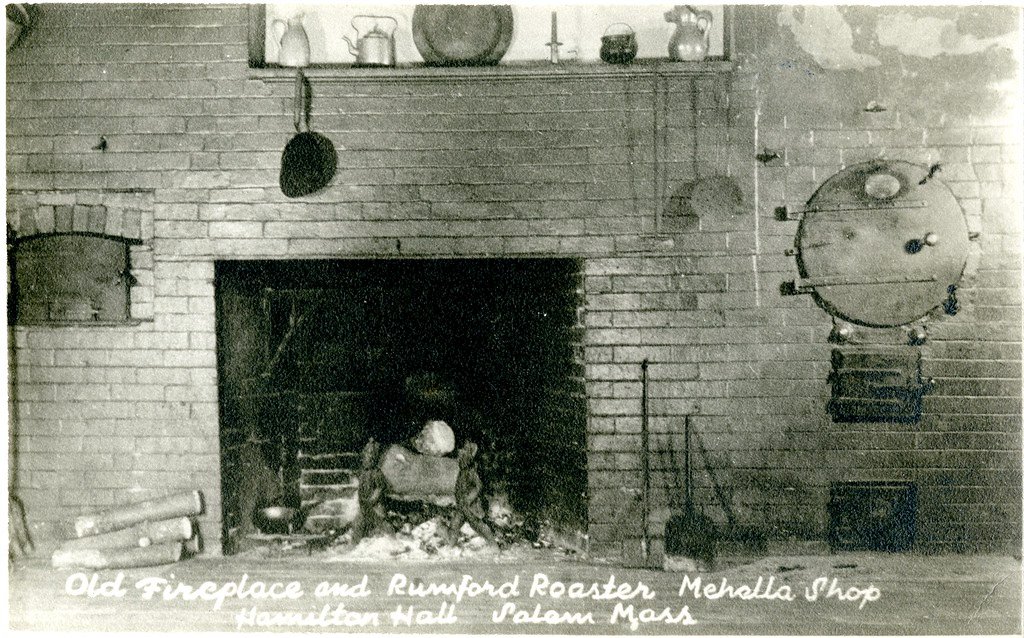
The leap to consciously low-temperature cooking arrives when science enters the scene. At the end of the 18th century, Benjamin Thompson—better known as Count Rumford—experimented with a machine designed to dry potatoes and discovered he could cook meat using only low-temperature hot air. He described how a leg of lamb cooked this way for several hours turned out “perfectly done” and surprisingly flavorful.
For the first time, someone stated in writing the idea that violent heat isn’t necessary to achieve complete, pleasurable cooking.
Chemistry helped clarify what was happening. We now know that muscle proteins like myosin and actin denature at different temperature ranges: in land animals, myosin begins changing at roughly 50–60 °C, while actin does so higher, around 65–70 °C. We also know that the Maillard reaction—responsible for browning and toasted flavors—accelerates dramatically when the surface reaches around 140–165 °C.
Suddenly, cooking stops being only tradition and becomes applied physics and chemistry: if we understand what happens to each component of food at each temperature, we can design more precise cooking processes.
By the 20th century, the food industry was experimenting with vacuum packaging and controlled cooking to preserve products. In the 1960s and 70s, engineers and chefs began connecting the dots: vacuum, temperature control, long times. Modern sous vide would be born from this. French chef Georges Pralus, working at Troisgros, discovered in 1974 that foie gras cooked in a sealed bag in a constant-temperature bath kept its shape better, lost less fat, and developed a unique texture. Bruno Goussault, from a scientific background, systematized temperatures and times for meats and fish, establishing the technical language we use today.
When we say we cook red meat at 55–58 °C sous vide or a chicken breast at 63–66 °C for several hours, we’re applying all that accumulated knowledge: from the farmer leaving a pot by the hearth to the physicist measuring actin denaturation. The principle is the same: keep the core of the food within a very specific temperature range long enough to transform its structure without destroying it.
Low-temperature cooking doesn’t appear out of nowhere; it’s the contemporary, refined, quantified version of a very ancient intuition. Before, we did it out of tradition, necessity, or household organization—using residual heat, cooking overnight, making the most of cheap, tough cuts. Now we do it with circulators, bags, and probes, yet we still pursue the same goals: extracting the deepest flavor and the best possible texture without mistreating the product. Seeing low-temperature cooking as the heir of earth ovens, stewpots, confits, and Sabbath dishes reminds us of something essential for any cook: even the most modern technique has deep roots, and understanding those roots helps us cook with more meaning, not just with more gadgets.
Once cooking takes place inside a vacuum-sealed bag, low-temperature techniques acquire almost surgical precision. The food is isolated from the outside world: no evaporation, no oxidation, no air currents distorting the temperature curve. Inside that small sealed capsule, a pure dialogue unfolds between heat, time, and the nature of the product. That isolation turns cooking into a closed environment where each molecule’s path becomes more predictable.
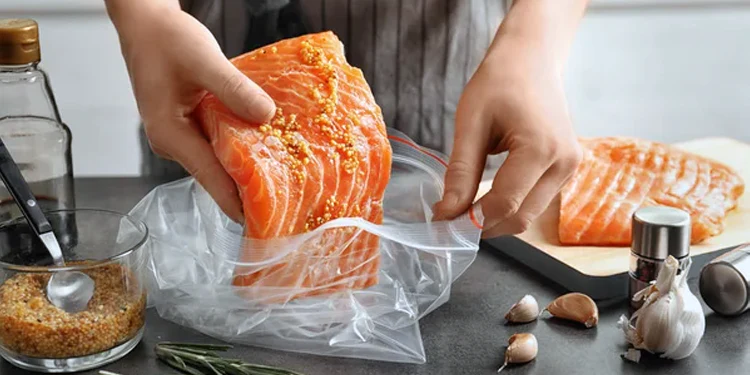
Inside the bag, proteins transform much more uniformly. Meats don’t lose moisture because they have no way to do so; juices don’t escape into a broth—they remain trapped and gently concentrate. Vegetables keep a surprising firmness because they are never forced to exceed temperatures that destroy their cell walls. Fish reaches a unique gelled point impossible to reproduce in a traditional oven, where even a few extra degrees turn delicacy into dryness. Low-temperature vacuum cooking is, above all, a way to prevent the food from suffering.
This control brings clear benefits:
• Optimized texture: each product is cooked at its ideal range and stays there without risk.
• Deeper flavor: nothing is lost to evaporation; flavor remains enclosed and intensified.
• Food safety: maintaining a stable temperature for long periods reduces microbiological risk very predictably.
• Reproducibility: results don’t depend on the day, the oven, or the fire; master the time-temperature pair and you master the outcome.
• Total planning: you can cook hours ahead, chill, and regenerate without losing quality.
In haute cuisine, these advantages become creative tools. A chef can design a texture that doesn’t exist in nature—for example, an egg yolk set exactly at 64.5 °C—or cook a piece of meat for 48 hours to obtain fibers that collapse into tenderness without sacrificing juiciness. They can calibrate the cooking of fatty fish like sea bass with watchmaker precision, achieving a consistency closer to silk than muscle. In that world, low-temperature cooking is not just a technique: it’s a culinary language that lets us abandon the tyranny of “rare, medium, well-done” and enter a much more nuanced territory.
The most fascinating part is that this exactness—once reserved for elite restaurants—is now accessible at home. You don’t need a professional kitchen; a home circulator, a bag, and a bit of patience are enough. The magic of this method is that it democratizes excellence: a novice cook can achieve perfect doneness levels that once required years of experience. A steak that would turn uneven in a pan—raw inside, dry outside—becomes uniformly juicy from edge to center. Chicken breast, normally punished by high heat, retains water, sheen, and surprising tenderness. Vegetables keep their color and structure as if they were upgraded versions of themselves.
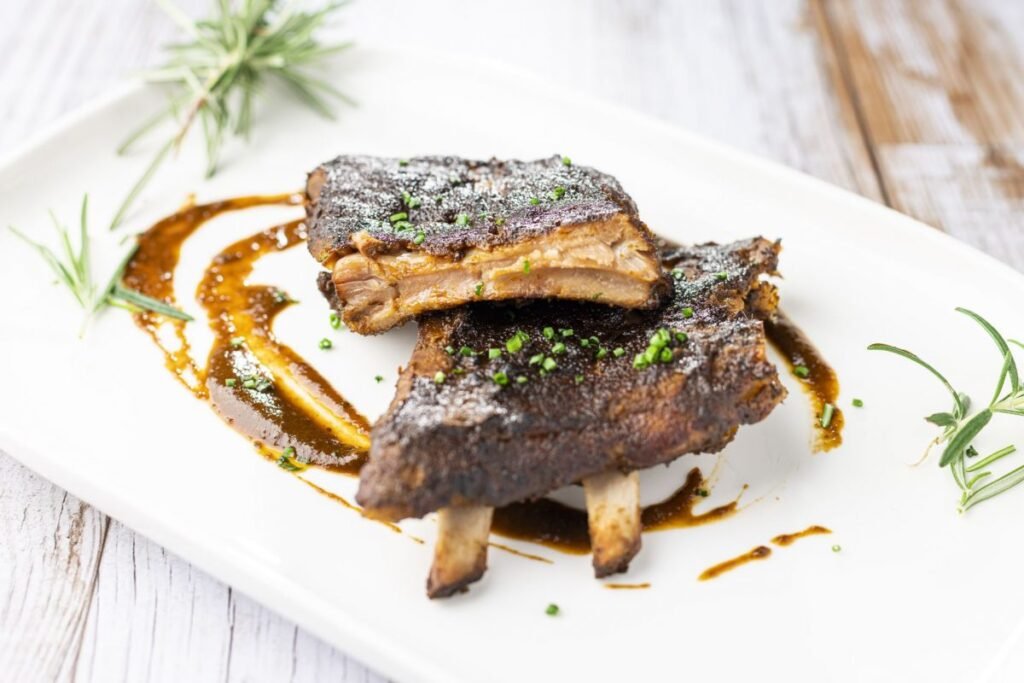
What separates the professional from the home cook is not the technique but imagination and finishing skill. In a restaurant, vacuum cooking is followed by the final flourish: quick searing, lacquering, glazing, sauces reduced to the millimeter. That finishing step—the brief, fierce heat that adds Maillard aroma—is the chef’s signature. At home, the same step can be reproduced with a very hot pan, a blowtorch, or a powerful oven for a couple of minutes. It’s not a matter of infrastructure but of attention and taste.
The greatest convenience at home is organization. You can cook several portions at once, chill them, and reheat without quality loss. You can prepare economical cuts that, under low-temperature cooking, reach levels of tenderness unimaginable with quick techniques. You can plan meals for several days without sacrificing texture. The method fits daily life with surprising ease: it removes urgency, reduces the need for constant supervision, and turns cooking into a calm, controlled process.
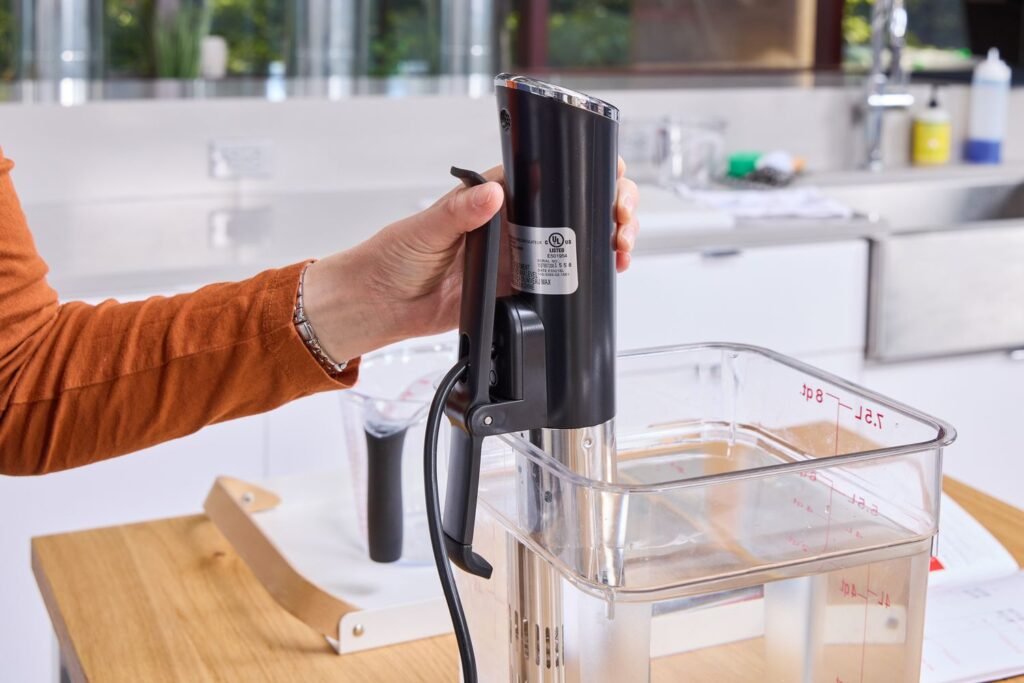
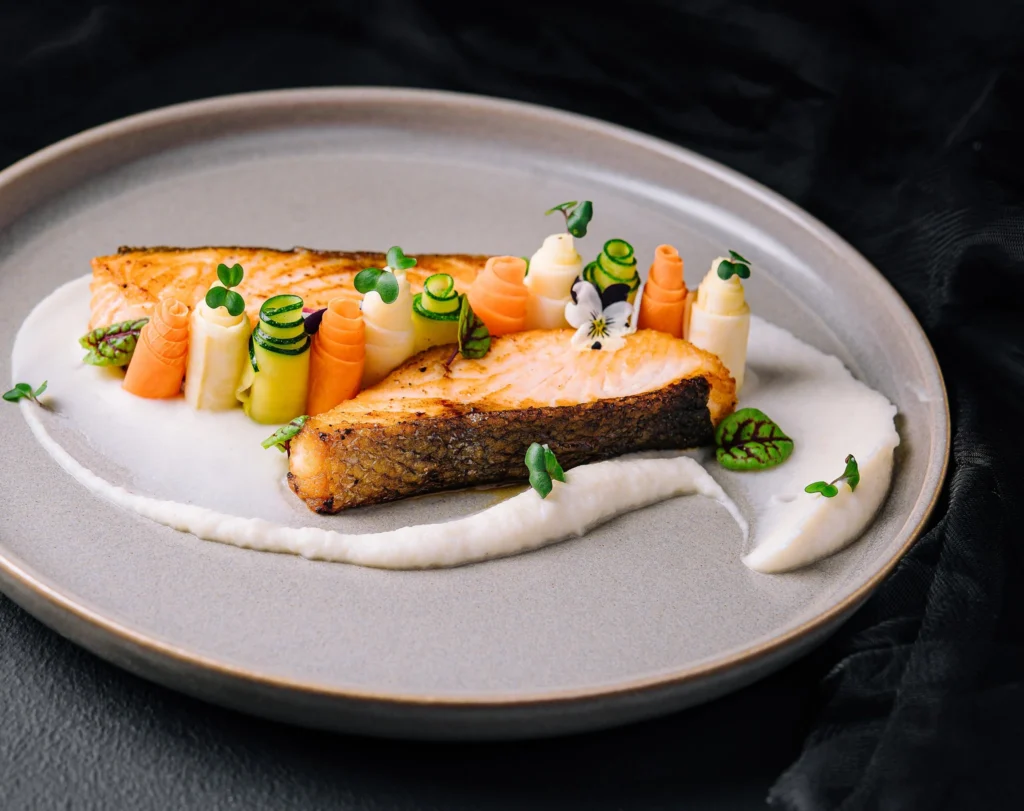
Ultimately, low-temperature vacuum cooking expands our culinary capabilities. It gives professionals a tool to explore sensory limits and allows home cooks to approach a technical level once seen only in renowned restaurants. And in that middle ground—when a home dish gains restaurant-level texture and when a restaurant reaches near-laboratory precision—the true essence of this technique emerges: an alliance between tradition, science, and time in service of flavor.
Would you like to continue with practical applications, time-temperature tables, or specific examples for meats, fish, and vegetables?